Communications
CSA Aliro 1.0: Standardized Access Control between Mobile Device and Door Lock
What is Aliro?
Digital access has undergone a significant transformation over the last decade. We have moved from physical mechanical keys to plastic RFID cards, and more recently, to mobile-based credentials. However, while the convenience of using a mobile device to unlock a door is clear, the implementation has remained largely fragmented. Currently, most digital key solutions are proprietary, often locking users, property managers, and developers into specific hardware ecosystems or requiring multiple applications to navigate a single building.
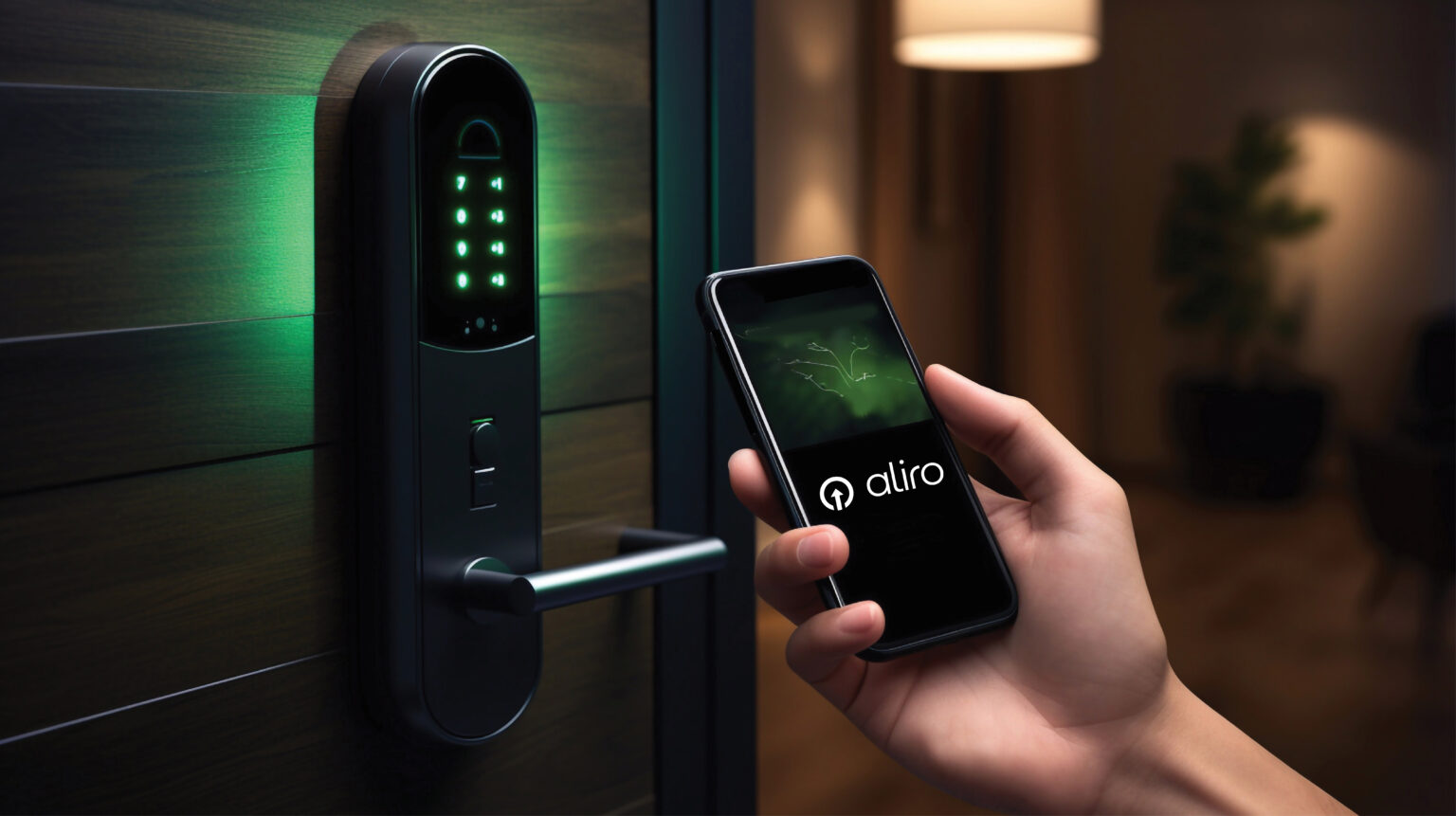
To resolve this fragmentation, the Connectivity Standards Alliance (CSA), the global organization responsible for the widely adopted Matter smart home standard, announced Aliro. Backed by industry leaders including Samsung Electronics, Apple, Google, and global access providers like Allegion and ASSA ABLOY, Aliro is an access industry unifying communication protocol. It is designed to provide a secure, seamless, and interoperable experience for mobile credentials across residential, commercial, and enterprise environments. By creating a standardized path for how a "key" (the mobile device) talks to a "door lock" (the reader), Aliro aims to make digital access as universal as the physical key once was.
The Aliro Vision: Interoperable Access Protocol
Just as Matter harmonized the fragmented smart home market for devices like lights and thermostats, Aliro creates a "common language" for access control. The primary goal is to ensure that a digital credential issued by one platform - for example, a corporate badge issued by an employer - can be recognized by any Aliro certified reader, regardless of whether that reader was manufactured by a different company.
The Aliro program encompasses a full protocol specification that defines the end-to-end communication between the user's mobile device and the access reader (lock). This standardization reduces the burden on system installers who previously had to navigate complex compatibility matrices. For end-users, it provides the flexibility to use their preferred mobile device (such as Samsung Wallet on a Galaxy Phone or Galaxy Watch) for secure entry without worrying about hardware brand mismatches. By adopting an open-source SDK and a rigorous certification program, the CSA is ensuring that the communication at the door is always reliable, fast, and secure.
Key Technical Pillars:
The Aliro standard is built on a foundation of three core wireless technologies. Rather than choosing one, Aliro leverages the strengths of each to create a multi-layered approach to entry:
Security and Privacy by Design
In the world of access control, security is paramount. Aliro introduces a robust framework that goes beyond simple encryption. Because the protocol is point-to-point (direct communication between mobile device and the reader), it does not rely on a constant internet connection to function, reducing the attack surface.
Key security features include:
Smart Home Ecosystem with Aliro and Matter
For platforms like Samsung SmartThings, Aliro provides a critical architectural foundation. While Matter handles the management of the lock (checking if it’s locked, battery levels, and home automation triggers), Aliro handles the secure identity of the mobile device and a person at the door. Together, these two standards allow for a truly integrated smart home. For example, Matter can be used to provision an Aliro certified mobile device and a reader, and then it can recognize a specific family member’s mobile device, unlock the door, and simultaneously trigger a Matter based automation to turn on the lights and adjust the thermostat specifically to that person's preferences.
Samsung Research is a primary contributor to both Matter and Aliro specifications, ensuring that the Galaxy ecosystem remains at the forefront of secure digital access. This collaboration ensures that users can manage their homes and workplaces through a single, unified interface without sacrificing security or performance.
Conclusion and Next Steps
Aliro 1.0 is set to be released on February 26, 2026. and represents a major milestone in the evolution of digital access. Aliro breaks down the final barriers of proprietary access control, fostering a more connected and secure smart home environment.
First Aliro devices were announced in early 2026 and we expect to see new wave of Aliro-certified hardware and mobile integrations hitting the market in the first quarter of 2026.
Moving forward, the Aliro Working Group will continue to refine the specification to support even more complex use cases like server based provisioning, key sharing and others.
Samsung Research remains an active and key participant in the development of the Aliro standard, committed to shaping a future where your "keys" are as smart, secure, and ubiquitous as the devices you carry every day.
References
https://csa-iot.org/all-solutions/aliro/
https://research.samsung.com/blog/CSA-Matter-1-5-Release-Introducing-support-for-Cameras