Communications
AI-Driven Optimization of Perceived Quality at the User and Service Levels
1 Introduction
1.1 Background
As mobile networks evolve toward 5G-Advanced and 6G, ensuring consistent user-perceived quality has emerged as a primary objective for future wireless systems. Recent mobile networks support increasingly diverse services including immersive extended reality (XR), cloud gaming, ultra-high-definition video streaming, and multimodal artificial intelligence (AI) services. These services exhibit varying quality requirements, making network optimization more challenging than ever.
These services demand not only high throughput but also reliable connectivity during mobility. Maintaining high service quality under mobility remains particularly challenging, as users may encounter handover failures, radio link failures, throughput degradation, or increased latency while moving across the network.
Analysis of commercial network data indicates that these quality degradation events are often not random. Instead, certain users repeatedly experience similar problems under specific mobility conditions, such as along frequently traveled routes, in particular radio environments, or with specific device capabilities. In other words, even when the average performance of a cell appears satisfactory, a small group of users may consistently experience degraded service quality.
This observation highlights that improving average cell performance alone is no longer sufficient for ensuring consistent user-perceived quality. As networks become increasingly heterogeneous and user behaviors become more diverse, network optimization must consider not only cell-level performance but also the context experienced by individual users.
1.2 Technical Challenges
Conventional network optimization functions, such as self-organizing network (SON), primarily focus on improving cell-level performance. While these approaches are effective for enhancing overall network quality, they are less suitable for addressing recurring issues experienced by individual users. Since cell parameters are shared by all users within a cell, adjusting them to improve the experience of a small number of users may inadvertently degrade the quality for others.
Another challenge lies in accurately identifying user-perceived quality degradation, which cannot be determined using a single measurement or a simple threshold. Before a degradation event occurs, multiple radio and service indicators—including signal strength, signal quality, interference conditions, and throughput—typically evolve together over time. Consequently, the network must learn the temporal context preceding recurring problems and recognize similar patterns during real-time operation.
2. AI-Driven Optimization of Perceived Quality
Figure 1 illustrates the overall workflow of the proposed framework. The framework consists of two phases. In the training phase, historical user data is analyzed to identify recurring patterns of perceived quality degradation. During the network operation phase, these learned patterns are applied to predict potential perceived quality degradation and initiate proactive mobility control to mitigate problems.
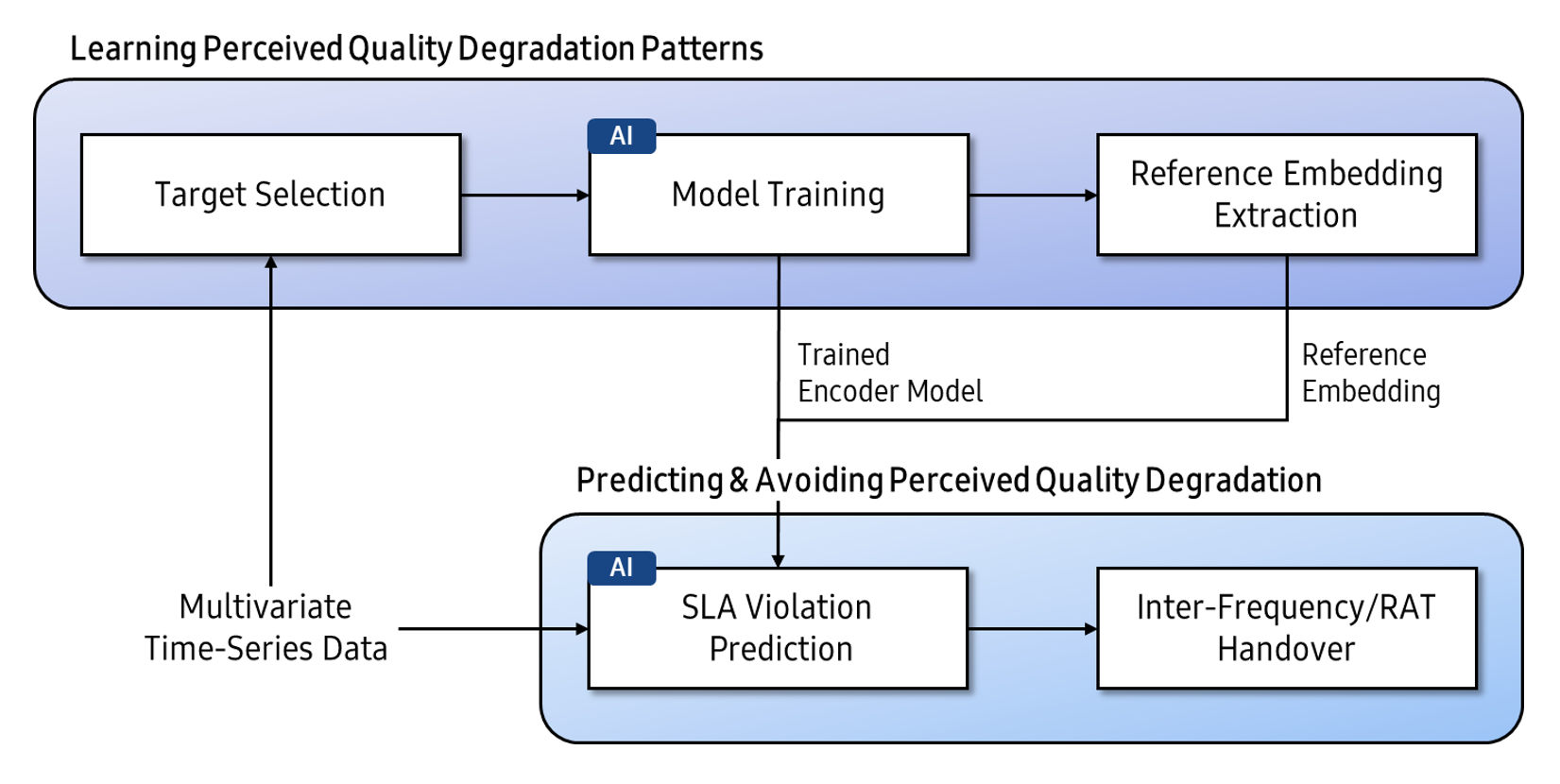
Figure 1. Overall workflow of the proposed scheme.
2.1 Learning Perceived Quality Degradation Patterns
During the training phase, users who repeatedly experience service quality degradation are identified. Instead of analyzing every user in the network, the process begins by selecting target cells based on cell-level performance indicators. Within these cells, users who frequently encounter connection failures or service-level agreement (SLA) violations are pinpointed.
Historical user data collected prior to perceived quality degradation events is then used to identify recurring problem patterns. The AI model’s input consists of multivariate time-series data, such as received signal strength, received signal quality, interference-related measurements, and downlink throughput. As shown in Figure 2, an AI encoder compresses the multivariate time-series data into a low-dimensional embedding space, where samples with similar contexts are positioned closely to one another.
By clustering neighboring embeddings, the network derives representative reference embeddings that characterize recurring perceived quality degradation scenarios. These reference embeddings capture the contextual conditions leading to service degradation and serve as signatures for real-time prediction.
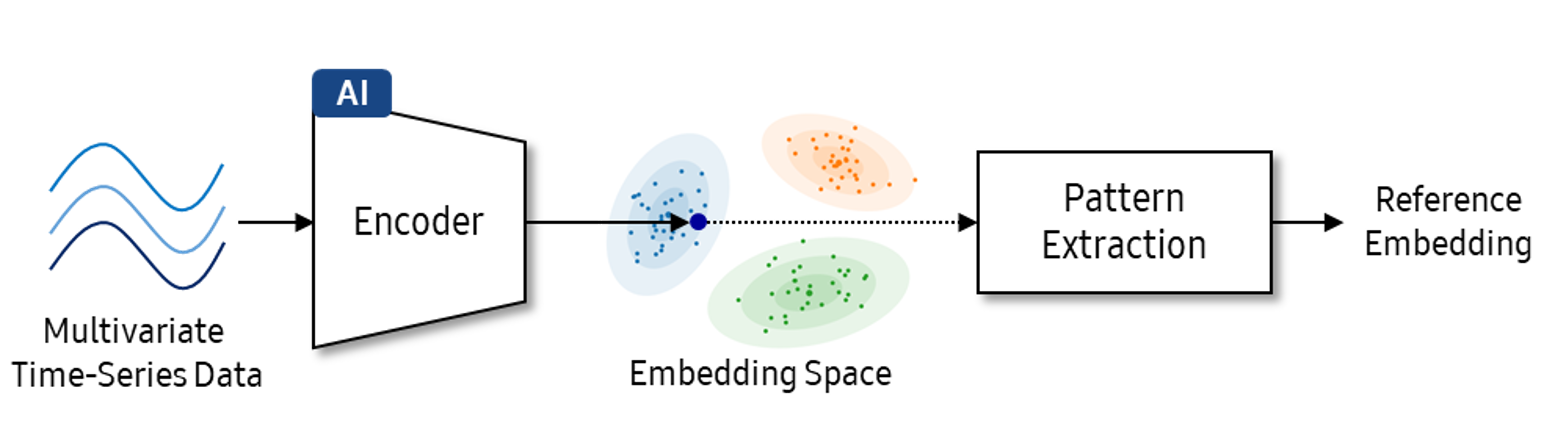
Figure 2. AI model to learn perceived quality degradation patterns.
2.2 Predicting and Avoiding Perceived Quality Degradation
Unlike conventional threshold-based approaches that react after radio quality deteriorates, the proposed framework emphasizes contextual similarity between current measurements and previously observed degradation patterns. This enables the network to detect potential quality degradation earlier and take preventive actions before users experience noticeable service interruptions.
During the network operation phase, the real-time sequential data of a target user is encoded into the same embedding space using the trained AI model. The embedded user data is then compared with the extracted reference embeddings. For example, the similarity between the current embedding and each reference embedding can be assessed using cosine similarity. If the similarity exceeds a predefined criterion, the network predicts that the user is likely to encounter service quality degradation in the near future.
Based on this prediction, the network can proactively perform user-specific mobility control. For example, the user may be handed over to available inter-frequency cell or an alternative radio access technology (RAT) before the degradation event occurs. Unlike conventional approaches that adjust cell parameters for all users, the proposed framework applies mobility optimization only to users who are expected to experience perceived quality degradation, thereby complementing existing cell-level optimization mechanisms.
3. Field Data Evaluation
To demonstrate the practicality of the proposed framework, we conducted two complementary evaluations in collaboration with mobile network operators. The first evaluation aimed to determine whether recurring user-specific problems exist in commercial networks and can be mitigated through our approach. The second evaluation assessed the prediction capability of the proposed framework using field data collected under controlled mobility scenarios.
3.1 First Evaluation: Field Verification of Recurring Connection Failure Prevention
Recurring connection failures experienced by specific users were identified from commercial network data, and network optimization actions were applied to address these problems. As a result, connection failures for the selected target users were reduced by up to 98.7%. These results confirm that recurring user-specific problems are not merely theoretical observations but can be effectively identified and mitigated in commercial networks.
3.2 Second Evaluation: Commercial Network Data-based validation of SLA violation reduction
The evaluation was performed based on data collected in an environment where a local 5G standalone (SA) network overlapped with a commercial 5G non-standalone (NSA) network. When an upcoming SLA violation event was predicted in the local 5G network, the user was proactively handed over to the commercial 5G NSA network. The evaluation was conducted for 4 recurrent problem scenarios. As shown in Figure 3, the average SLA violation rate was decreased from 13.1% to 7.2% when the proposed framework was applied. This demonstrates that AI-based prediction can effectively support proactive mobility decisions in heterogeneous network deployments where multiple RAT coexist.
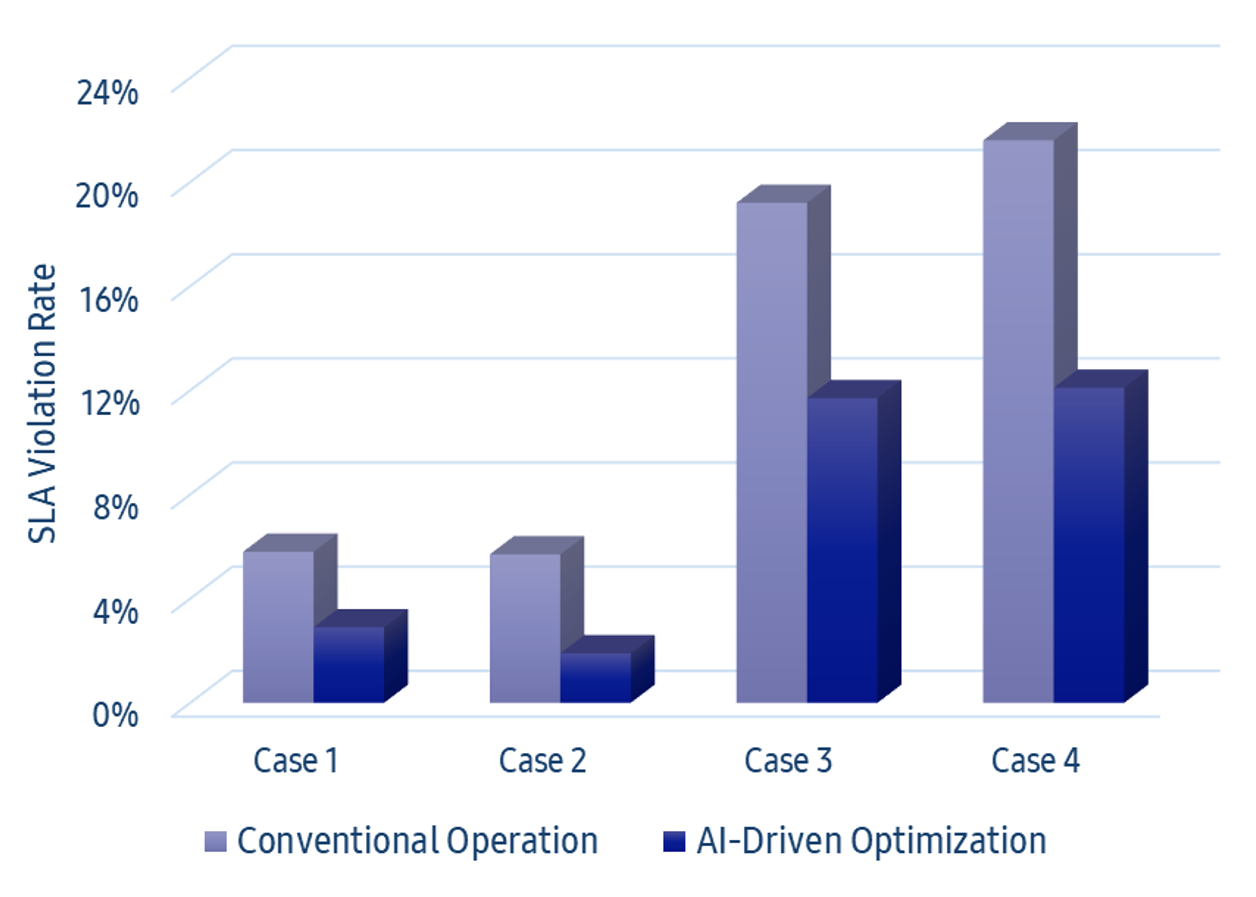
Figure 3. Evaluation results of SLA violation reduction.
4. Conclusion
In this blog, we introduced an AI-driven optimization framework designed to enhance perceived quality in next-generation mobile networks. The proposed framework learns recurring degradation patterns from historical data, predicts similar situations in real time, and proactively performs user-specific mobility control before service degradation occurs.
By transitioning mobility optimization from reactive cell-level optimization to predictive user-level intelligence, future networks will be capable of delivering more consistent user experiences while maintaining overall network efficiency.
As mobile networks continue to evolve toward AI-native RAN and 6G, user and service level intelligence is expected to emerge as a key enabler for autonomous mobility management. This advancement will empower networks to proactively adapt to individual user contexts, ensuring more reliable and consistent service experiences.
References
[1] Samsung Research, “AI-Native & Sustainable Communications,” Samsung 6G White Paper, Feb. 2025.
[2] C. Zhou, S. Hu, J. Gao, X. Huang, W. Zhuang, and X. Shen, “User-Centric Immersive Communications in 6G: A Data-Oriented Framework via Digital Twin,” in IEEE Wireless Communications, vol. 32, no. 3, pp. 122-129, June 2025.
[3] W. Chen et al., “5G-Advanced Toward 6G: Past, Present, and Future,” in IEEE Journal on Selected Areas in Communications, vol. 41, no. 6, pp. 1592-1619, June 2023.